How to Make CPTED Successful
CPTED is a series of building design strategies aimed at
deterring criminal behavior through environmental design. Law enforcement
professionals, security professionals, community planners, and architects
should be well versed in CPTED principles and strategies. They should work
collaboratively to implement these strategies for new buildings and major
renovation projects to minimize the occurrence of crime and provide for a safer
environment.
Crime Prevention Through Environmental Design (CPTED) is a strategy for preventing crime by designing the built environment in ways that influence human behaviors and reduces opportunities for criminal activity.
CPTED incorporates the complimentary strategies of natural surveillance, natural access control, territoriality, maintenance and activity support. CPTED’s greatest potential benefit and impact involves the design of new buildings and capital construction projects.
For CPTED to be as beneficial and successful as possible, there are a number of steps or measures that should be adopted, including the following:
1. Training of Certified CPTED Specialists
Individuals (law enforcement, architects, community officials, etc.) need to be trained in CPTED strategies and recognized as Certified CPTED Specialists. These individuals should subsequently be involved in the design of new buildings, including the application of CPTED strategies.
2. Adoption of CPTED Ordinance
A CPTED Ordinance is a local government regulation that requires the use of CPTED principles in the planning, design and construction of buildings, public spaces or developments.
There is no registry or database that tracks which municipalities in the U.S. have CPTED ordinances.
It is estimated that approximately 500 cities in the U.S. have enacted CPTED-related ordinances.
A formal CPTED ordinance would change the adoption and integration of CPTED strategies from voluntary to involuntary and help CPTED to become a standard for new building design strategy.
In addition to a formal standalone CPTED ordinance, the requirement for the utilization of CPTED strategies in new building design can be an adjunct to an existing planning and zoning community ordinance.
3. CPTED Presentation for Law Enforcement Command
Since the primary goal of CPTED is to prevent crime, many of those who receive CPTED training are from the law enforcement community. Higher command personnel from law enforcement agencies should be introduced to CPTED strategies so they can better understand its benefit and crime prevention potential. The understanding and support of law enforcement command personnel can be beneficial in making CPTED successful.
4. CPTED Presentation for Community Officials
Community officials including community planners, planning and zoning, code compliance, the parks department, local public utilities, local schools, etc. should receive CPTED training. These community officials can help support the employment of CPTED strategies in their respective areas of responsibility.
5. CPTED Awareness for Local Government Officials
Local government officials – mayor, city manager, city council members – should receive an awareness presentation of CPTED and its benefits. Having a basic understanding of CPTED strategies, they will be more supportive of its community benefits.
6. CPTED Presentation for Local Civic Organizations
Members of local civic organizations like the Rotary, Lions and Chamber of Commerce should receive presentations on the strategies and benefits of CPTED. Members of these civic organizations possess influence in their respective communities that can be beneficial in the adoption of CPTED strategies.
7. CPTED Awareness to Building Stakeholders and Owners
Those who commission the design and building of new buildings need to understand the relative benefits of CPTED so they can articulate their support for CPTED to building architects. If building stakeholders and owners support the implementation of CPTED strategies for their new buildings, architects will follow their direction and implement CPTED strategies in their design.
8. Involve Building Architects in CPTED Design Strategies
Certified CPTED Specialists should have a “seat at the table” during the programming stage of new building design. They should subsequently use this opportunity to provide building architects with a series of CPTED-related recommendations.
9. Compliance Review of CPTED Strategy Recommendations
After the programming stage of new building design, Certified CPTED Specialists should review compliance with CPTED strategy recommendations during schematic, design development (DD) and construction documents (CD) stages.
The implementation of CPTED strategies can be successful if Certified CPTED Specialists and building architects work together and share a common vision how to make new buildings safer and more secure.
ADVANCED CPTED SEMINAR
The American Crime Prevention Institute (ACPI) has developed a new 8 hour seminar titled Advanced CPTED. This seminar addresses such topics as:
• Second Generation CPTED – an evolution of the original CPTED strategies
• Explaining the benefits of CPTED to stakeholders
• How to Make CPTED successful
• How to conduct a CPTED Physical Security Assessment
• CPTED design strategies for architects
Those who have received basic CPTED training will receive guidance from Advanced CPTED training on how they can use their CPTED knowledge to the greatest benefit and expand their professional knowledge and skills. The next live virtual Advanced CPTED seminar is being held on May 7-8, 2026. Learn more and register here.
ACPI is the worldwide leader in enabling law enforcement
agencies, businesses, institutions, and security professionals to reduce
criminal activity and risk and enhance quality of life through the delivery of
practical, unbiased training and certification programs. Visit our website at acpionline.com to learn about our
comprehensive list of both live virtual and self-paced training courses.

Join our newsletter!
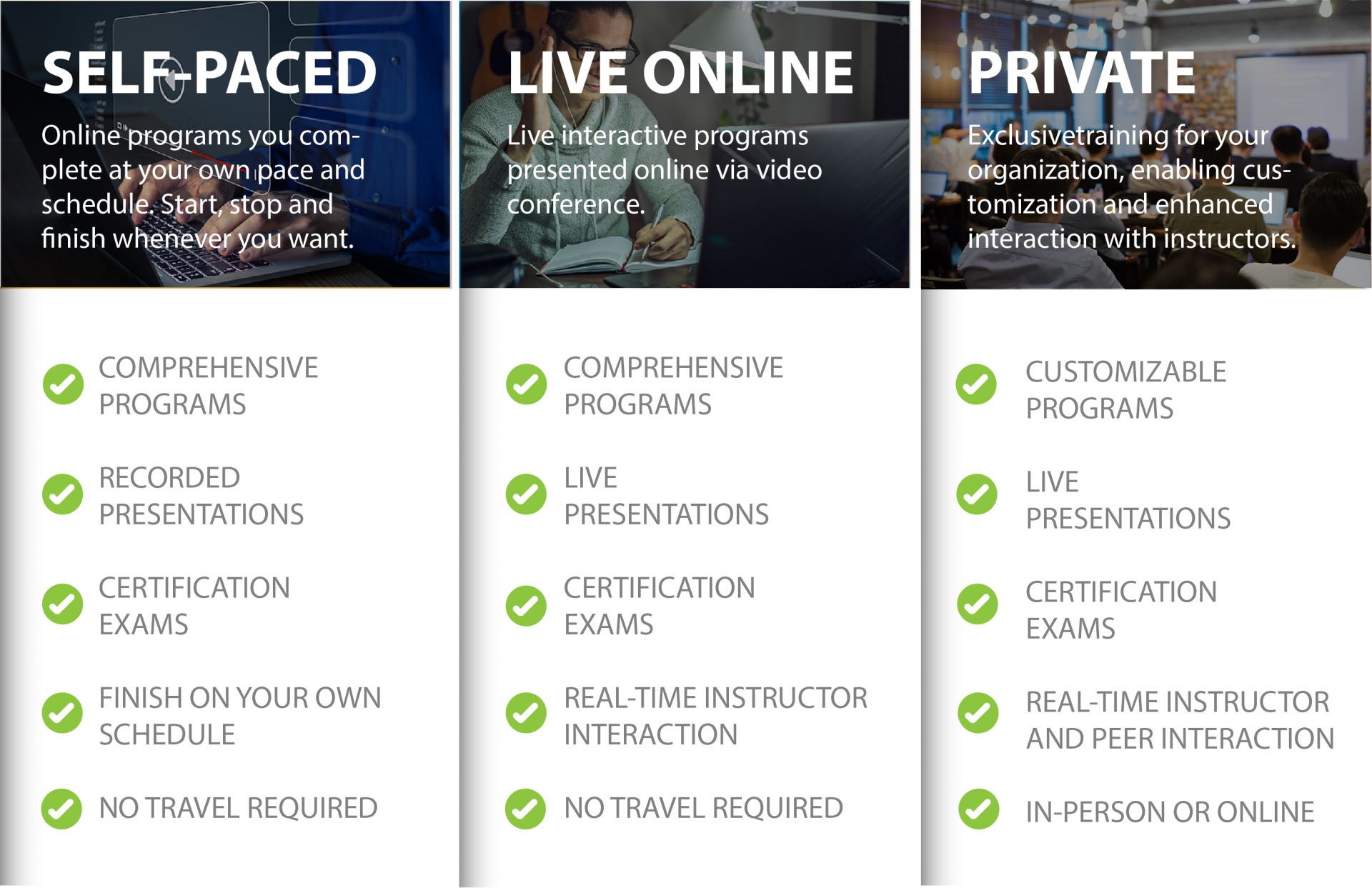
Which format is right for you?